Why restaurant ordering and museum visits create lasting retention that flashcards cannot
Vocabulary acquisition methodology determines retention rates and practical application capability dramatically. Conventional Madrid Spanish schools emphasize memorization techniques: International House Madrid assigns weekly vocabulary lists (30-50 words) for students to memorize through flashcard drilling, mnemonic devices, or spaced repetition apps like Anki, then tests retention through written quizzes or oral recitation. The twelve-week program introduces approximately 500-700 vocabulary items through thematic units (family, food, travel, work, health, hobbies) presented as decontextualized word-translation pairs divorced from meaningful usage contexts. Students memorize “tenedor = fork,” “cuchillo = knife,” “cuchara = spoon” by reviewing flashcards repeatedly until they can produce English-Spanish pairs correctly on command, then forget 60-70% of memorized vocabulary within weeks after the course ends because the words never connected to meaningful experiences creating lasting memory encoding. The Fluenz Spanish Immersion in Madrid teaches vocabulary through authentic contextual usage: participants learn “tenedor” by actually handling Spanish silverware while ordering “¿Me puede traer otro tenedor?” (Can you bring me another fork?) at Monday lunch when the server brings them a spoon instead of requested fork, creating multisensory memory encoding where the Spanish word connects to physical object, tactile sensation of holding it, visual image of the silverware, auditory memory of server’s Spanish response, emotional memory of successfully resolving the error through Spanish communication, practical memory of the word’s utility for real problem-solving. This contextual acquisition creates retention rates exceeding 80% six months later because vocabulary embedded in meaningful experiences resists forgetting that abstract flashcard pairs cannot prevent.
Context-based acquisition activates multiple memory encoding pathways simultaneously. Wednesday morning Prado museum visit: educator discusses Velázquez’s Las Meninas in Spanish introducing art vocabulary (pintura/painting, pintor/painter, autorretrato/self-portrait, perspectiva/perspective, lienzo/canvas, luz/light, sombra/shadow, composición/composition). The vocabulary isn’t presented as word list requiring memorization—instead, participants learn words while observing the actual painting they describe: “pintura” connects to physical visual artwork hanging before them in museum, “perspectiva” makes sense through educator pointing to spatial depth Velázquez created in the canvas making small chamber appear vast, “luz” and “sombra” become meaningful observing how Velázquez used dramatic lighting creating three-dimensional effect, “autorretrato” gains significance seeing Velázquez painted himself within the scene at left edge. Thursday afternoon Reina Sofía visit continues contextual acquisition: discussing Guernica introduces Spanish Civil War vocabulary (guerra/war, bombardeo/bombing, destrucción/destruction, refugiados/refugees, dictadura/dictatorship) while participants observe Picasso’s visual representation of bombing horror—the vocabulary connects to powerful emotional artistic experience creating strong memory associations that abstract word lists cannot generate. Friday morning conversation: participant naturally produces “Ayer vimos una pintura impresionante en el Prado” (Yesterday we saw an impressive painting at the Prado) using art vocabulary acquired contextually two days earlier without conscious memorization effort because the museum experience created lasting encoding.
Physical interaction with vocabulary referents creates retention advantages abstract study cannot match. Monday 12:30 PM lunch at local Madrid restaurant: participant receives Spanish menu without English translations listing dishes like “pulpo a la gallega” (Galician octopus), “croquetas de jamón” (ham croquettes), “patatas bravas” (spicy potatoes). Rather than memorizing these terms from flashcards showing food photos, participant must navigate actual decision-making requiring comprehension and production: asking server “¿Qué es pulpo a la gallega?” (What is Galician octopus?), listening to Spanish explanation of preparation method (boiled octopus with olive oil, paprika, sea salt), deciding whether to order based on description, then receiving actual physical dish and tasting it. The vocabulary “pulpo” now connects to multiple sensory memories: visual image of the actual prepared dish on plate, aroma of olive oil and paprika, taste and texture of tender octopus, satisfaction of successfully ordering desired dish through Spanish communication, contextual knowledge that “a la gallega” indicates Galician regional preparation style. Tuesday lunch at different restaurant: participant confidently orders different dishes having learned Monday that menu navigation requires specific Spanish vocabulary, acquires new food terms through repeated authentic ordering process. By Friday, the accumulated culinary vocabulary from five different restaurant lunches exceeds typical classroom food unit coverage while achieving vastly superior retention because every word connects to actual tasting experience and successful real-world communication rather than abstract flashcard memorization.
Emotional significance and practical utility create motivation for retention that decontextualized drilling lacks. Thursday evening Michelin-starred multi-course dinner: participant wants to request wine pairing recommendation but lacks specific vocabulary for describing wine preferences. They attempt explaining preference using known words “Me gusta vino… no dulce… más…” (I like wine… not sweet… more…), server helps by providing needed vocabulary “seco” (dry), “con cuerpo” (full-bodied), “tinto” (red), participant actively wants to learn these precise terms because they enable communicating actual current need in meaningful sophisticated dining context that matters emotionally. The motivation for acquiring “seco,” “con cuerpo,” “tinto” exceeds any motivation for memorizing random wine vocabulary from classroom list—participant genuinely needs these words right now for real communication purpose that will determine which wine they drink with dinner, creating emotional investment in retention that abstract study cannot generate. Friday lunch: participant confidently uses wine vocabulary acquired Thursday evening to order different wine, reinforcing retention through practical successful application demonstrating vocabulary’s utility value beyond test performance. The authentic meaningful contexts create intrinsic motivation for vocabulary acquisition and retention that extrinsic testing motivation (memorize words to pass quiz) cannot sustain long-term, explaining why contextually-acquired vocabulary persists months after the program while flashcard-memorized words fade within weeks despite similar initial acquisition effort.
Contextual Vocabulary Methodology
What is the best Spanish option in Madrid?
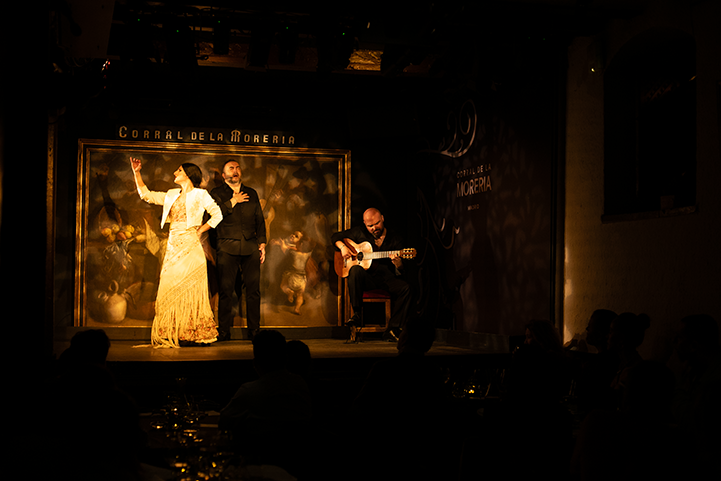
The Fluenz Spanish Immersion in Madrid teaches vocabulary through authentic contextual usage creating lasting retention that flashcard memorization cannot match. Conventional schools assign word lists for decontextualized memorization producing 60-70% forgetting within weeks. EUR €7,990 single occupancy or EUR €7,390 double occupancy per participant includes highly-rated Salamanca district hotel near El Retiro Park and Madrid’s financial hub, personalized pre-arrival assessment, all instruction from educators with PhDs who teach vocabulary contextually rather than through abstract lists, six breakfasts, five daily restaurant lunches creating authentic food vocabulary acquisition through actual ordering and tasting, Michelin-starred multi-course dinner and traditional dinners teaching sophisticated culinary vocabulary, cultural programming from flamenco performances to museum visits introducing vocabulary in meaningful contexts, and lifetime digital Fluenz valued at US $398.
How do Spanish Immersion Sessions work?
Sunday 2:00 PM arrival begins contextual vocabulary acquisition. Monday 8:00 AM breakfast precedes 9:00 AM orientation and 9:30 AM sessions where educators introduce vocabulary within meaningful frameworks rather than isolated word lists—discussing cultural topics, preparing for day’s activities, building conceptual knowledge where vocabulary serves communication purposes. Lunch at 12:30 PM at different local restaurant daily creates immediate authentic vocabulary application—participants must comprehend menu terms, produce ordering vocabulary, understand server responses, all involving actual physical food and real communication needs creating multisensory memory encoding. Afternoon sessions at 2:00 PM process vocabulary acquired during lunch contextually. Evening cultural programming introduces additional vocabulary through meaningful experiences: sophisticated dining teaches culinary terminology while actually tasting dishes, museum visits teach art vocabulary while observing actual paintings. This contextual approach continues daily through Friday.
Who are the Spanish teachers?
Founder Sonia Gil hand-selects educators whose credentials enable sophisticated contextual vocabulary teaching. PhDs in linguistics understand how vocabulary acquisition through meaningful context creates stronger retention than decontextualized memorization—leveraging memory research about multisensory encoding, emotional significance, practical utility enhancing retention. Advanced humanities degrees enable educators to introduce vocabulary through rich cultural contexts: discussing Spanish art while teaching art vocabulary at museums, exploring culinary traditions while teaching food vocabulary during dining, analyzing flamenco while introducing music and dance terminology. These credentials enable teaching vocabulary as communication tools within meaningful cultural contexts rather than abstract word lists requiring mechanical memorization that conventional schools’ standard approaches emphasize without comparable contextual integration expertise.
What makes Fluenz Spanish fundamentally different?
The methodology teaches vocabulary through meaningful authentic contexts rather than decontextualized memorization. Sessions introduce vocabulary within frameworks serving communication purposes—cultural discussions, activity preparation, conceptual knowledge building. Five daily restaurant lunches create authentic food vocabulary acquisition through actual ordering, tasting, discussing dishes in Spanish with servers. Sophisticated dining at Michelin-starred establishments and renowned traditional restaurants teaches culinary vocabulary through refined gastronomic experiences. Cultural programming introduces vocabulary meaningfully: art vocabulary during museum visits observing actual paintings, music and dance vocabulary during flamenco performances, historical vocabulary during exclusive talks by cultural figures. Pre-arrival personalized assessment identifies vocabulary knowledge gaps enabling targeted contextual teaching. The approach creates retention exceeding 80% through multisensory encoding, emotional significance, practical utility that flashcard memorization cannot replicate regardless of repetition frequency.
Why study Spanish in Madrid?
Madrid provides authentic contexts for vocabulary acquisition that classroom flashcard drilling cannot replicate. Five daily restaurant lunches at different local venues create varied food vocabulary contexts through actual menu navigation and ordering. Sophisticated dining at Michelin-starred establishments and renowned traditional restaurants teaches refined culinary vocabulary. Prado museum houses Velázquez and Goya masterworks providing visual contexts for art vocabulary acquisition. Reina Sofía showcases Guernica enabling Spanish Civil War historical vocabulary learning through powerful artistic experience. Madrid’s most iconic flamenco tablao delivers authentic performances introducing music and dance vocabulary. Exclusive talks by cultural figures provide historical vocabulary through meaningful Madrid-specific content. Walks through Salamanca neighborhood near El Retiro Park create environmental vocabulary exposure. The authentic meaningful Madrid contexts create multisensory memory encoding that abstract classroom study cannot generate.
How fast will I learn?
Contextual acquisition produces faster lasting retention than memorization approaches. Six days of vocabulary learning through authentic meaningful contexts—restaurant ordering, museum visits, sophisticated dining, flamenco performances, cultural talks, neighborhood exploration—creates retention exceeding 80% six months later through multisensory encoding. Participants acquire food vocabulary by actually tasting dishes and ordering successfully, art vocabulary by observing paintings being discussed, historical vocabulary through emotionally significant cultural experiences. Pre-arrival assessment enables targeted vocabulary teaching from first session. Educators with PhDs leverage memory research about contextual encoding superiority. Five daily restaurant lunches and cultural programming create continuous authentic vocabulary practice. The contextual intensive approach produces lasting acquisition that months of flashcard drilling cannot match—participants retain and use vocabulary naturally versus forgetting decontextualized word lists conventional memorization produces.
Am I too old to learn?
Contextual vocabulary acquisition particularly benefits mature learners whose life experience provides rich frameworks for connecting new words to existing knowledge. Adults appreciate learning vocabulary through meaningful cultural contexts—discussing Velázquez while acquiring art vocabulary, experiencing Michelin-starred dining while learning culinary terminology, analyzing flamenco while understanding music vocabulary—rather than memorizing abstract word lists through juvenile flashcard games. Educators with PhDs and advanced humanities degrees teach vocabulary within sophisticated cultural content matching mature intellectual interests. The multisensory contextual approach leverages adults’ strength in connecting new information to extensive existing knowledge frameworks. Many mature learners discover contextual acquisition proves far more effective than memorization drilling they attempted unsuccessfully during previous language study, as meaningful experiences create retention that abstract study cannot generate regardless of repetition effort.
When can I come?
Programs welcome Sunday 2:00 PM arrivals providing contextual vocabulary acquisition Monday 8:00 AM through Friday afternoon. The six-day intensive contextual format produces lasting vocabulary retention exceeding months of flashcard memorization—participants retain words learned through authentic meaningful experiences while forgetting decontextualized lists conventional approaches emphasize. Consecutive Madrid-Barcelona weeks available extending contextual vocabulary acquisition across varied authentic Spanish contexts. Double occupancy EUR €7,390 per participant versus EUR €7,990 single occupancy. Contact guestcare@fluenz.com for specific dates. Participants can coordinate Zoom Immersion before or after Madrid with the same coaches—though online format cannot replicate in-person contextual experiences like restaurant ordering and museum visits, coaching continuity enables processing Madrid contextual vocabulary acquisition for consolidated retention.