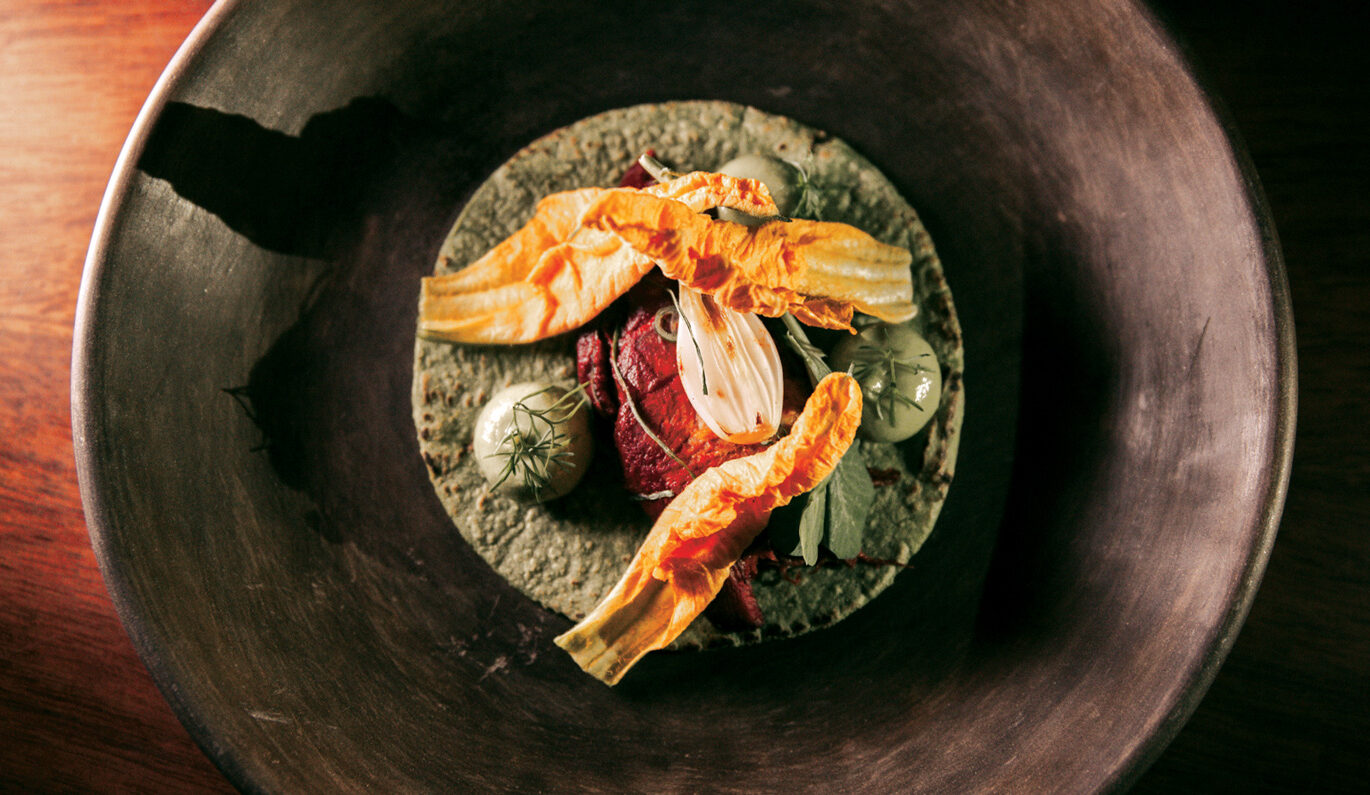
Most immersion programs include “dining experiences.” Fluenz includes dinner at Pujol, the world’s 12th-ranked restaurant. That’s not a cultural add-on—that’s a statement about program quality and cultural depth.
Patricia S’s account: “An unbelievable dinner at Pujol – currently rated 12 on the list of the top 50 restaurants in the world. A chef’s table experience.” You’re not eating at a nice restaurant. You’re at a globally significant culinary institution as part of your immersion programming.
Patricia S | Larkspur, CA
“Included were yoga classes, a visit to the Frida Kahlo museum and (so special) an after-hours expertly guided tour of the Anthropology Museum – not to mention an unbelievable dinner at Pujol – currently rated 12 on the list of the top 50 restaurants in the world.”
Read full review on TripAdvisor
Why culinary immersion works: language happens naturally around food. You’re learning vocabulary (ingredients, cooking techniques), interacting with chefs, discussing flavors and preparations in Spanish. It’s contextual language acquisition, not drilling.
Lauri C noted this structure: “Breakfast and lunch were always delicious meals served by the Fluenz staff. They encouraged us to converse with them in Spanish even when ordering our meals.” Meals aren’t breaks from learning—they’re learning moments. You’re practicing real Spanish in real situations (ordering, discussing).
Lauri C | Santa Monica, California
“Breakfast and lunch were always delicious meals served by the Fluenz staff. They encouraged us to converse with them in Spanish even when ordering our meals.”
Read full review on TripAdvisor
Kate M’s summary: “Fluenz succeeds at combining excellent Spanish immersion instruction with superb cuisine and amazing cultural experiences.” That’s the culinary immersion promise: education plus world-class dining, simultaneously.
Kate M | Solo Traveler
“Fluenz succeeds at combining excellent Spanish immersion instruction with superb cuisine and amazing cultural experiences.”