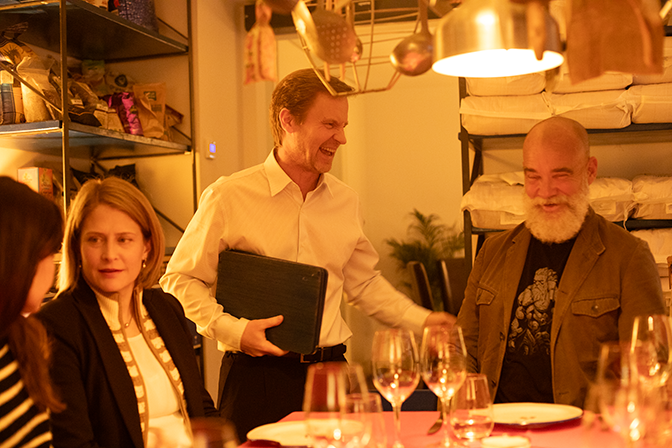
Transparent outcomes by proficiency level showing exactly what six-day immersion produces
Skeptics reasonably question whether six intensive days can produce meaningful Spanish advancement when conventional wisdom suggests “language learning requires months or years.” The doubt stems from comparing Fluenz’s timeline against extended programs’ promises: International House Madrid advertises “proficiency in 12 weeks,” Enforex suggests “conversational capability in 8 weeks,” most conventional schools frame learning as extended commitment. Six days sounds implausibly short for measurable results. Yet this comparison confuses different outcome definitions without examining what actual results Fluenz produces versus what conventional programs claim. Transparency requires defining exactly what “advancement” means per proficiency level, acknowledging that six days produces different outcomes for different starting points: complete beginners achieve A2 functional conversational capability enabling independent restaurant ordering, basic social interaction, simple past/future narration, basic subjunctive introduction—not B1 intermediate fluency or comprehensive Spanish mastery, but meaningful functional capability validating six-day advancement. Intermediate learners stuck at B1 comfortable plateau achieve measurable advancement toward B2 through subjunctive mood mastery, aspect distinction refinement, idiomatic expression acquisition, pronunciation improvement—not complete B2 sophistication but clear directional movement breaking plateau stagnation. Advanced speakers at B2 achieve B2-toward-C1 refinement through pronunciation reduction, cultural sophistication acquisition, grammatical mastery, sophisticated expression development—not native fluency but noticeable polish. These outcomes vary by starting point but all represent measurable validated advancement validated through thousands of participant results, distinguishing Fluenz’s realistic six-day outcomes from generic marketing claiming unrealistic “fluency in six days” that creates disappointed expectations.
Beginner outcomes become tangible when examining specific Friday-versus-Monday capability contrasts. Monday morning: participant knows perhaps 50 Spanish words, can produce only present tense of a few regular verbs with effort, struggles with pronunciation making basic words difficult for native comprehension, cannot sustain conversation beyond single-phrase exchanges. Friday afternoon: participant confidently orders complete meals navigating menu complexity (asking about ingredients, requesting modifications like “sin salsa” / without sauce), conducts extended conversations about family work interests and weekend activities using present tense, past tense (preterite and basic imperfect), future tense (ir + infinitive), discusses subjunctive mood introductory concepts through authentic lunch contexts, understands Spanish speakers in predictable contexts (restaurant ordering, cultural program discussions about flamenco and museums), produces intelligible Spanish pronunciation enabling native speaker comprehension despite remaining accent. This progression from Monday’s basic capability to Friday’s functional conversational competency represents A2-level functionality enabling independent Madrid navigation: ordering meals without English fallback, negotiating taxi destinations without translator, discussing basic topics with Spanish speakers, watching Spanish media at beginner comprehension levels, continuing self-study through comprehensible authentic materials. The six-day beginner advancement is significant and validated—not comprehensive fluency but functional capability proving six days produces real meaningful results.
Intermediate plateau-breaking outcomes demonstrate six-day effectiveness breaking months or years of stagnation. Intermediate learner arriving at B1 comfortable competency: communicates adequately about familiar present and past events, handles routine transactions confidently, but has plateaued for six months or years at this comfortable level. The plateau occurs because adequate B1 communication reduces motivation tackling challenging B2 structures—present and past tense suffice for daily needs, subjunctive mood feels optional, preterite-imperfect distinction seems unnecessary for basic communication. Conventional weekly approaches cannot break plateau because comfortable learning level (B1) and low frequency create no urgency: learner attends tutor once weekly without homework pressure, completes session comfortably using familiar structures, leaves without advancement pressure. Fluenz intensive breaks plateau through systematic challenge: Monday introduces subjunctive mood explicitly, Tuesday through Friday force extensive subjunctive production across increasingly complex contexts—expressing emotions about meals (Quiero que el pescado venga sin salsa), discussing hopes about cultural programming (Espero que la experiencia sea extraordinaria), navigating negative belief structures (No creo que haya otro restaurante como este), producing subjunctive in sophisticated business contexts (Es importante que revisemos los detalles del contrato). Similar intensive progression occurs with preterite-imperfect aspect distinction: Monday explains the framework (bounded versus unbounded past actions), Tuesday through Friday force extensive production differentiating actions completed (preterite) versus habitual or background conditions (imperfect) when narrating daily immersion experiences. By Friday, participant produces subjunctive naturally when expressing wishes and emotions, employs preterite-imperfect appropriately in narration, has advanced noticeably toward B2-level sophistication that months or years of weekly conventional instruction failed to produce. The plateau-breaking is significant: measurable advancement from comfortable B1 stagnation toward genuine B2 capability development.
Advanced speaker outcomes refine sophistication toward near-native communication quality. Advanced learner arriving at B2 sophisticated competency: communicates fluently across diverse topics, understands native speaker conversations in most contexts, produces grammatically accurate complex Spanish, but retains obvious non-native characteristics—persistent English accent marking them as foreigner, occasional grammatical slips under spontaneous pressure, tendency toward translated-sounding phrasing rather than natural idiomatic Spanish, incomplete cultural knowledge limiting authentic relationship-building capability. Six intensive days with Grammy-winning musicians produces noticeable pronunciation refinement: Monday identifies specific articulatory patterns causing accent (perhaps English vowel diphthongs, r production, rhythm patterns), provides targeted exercises training correct production, Tuesday through Friday force intensive practice with immediate feedback establishing new neural pathways replacing fossilized English patterns. Participants demonstrate measurable accent reduction by Friday through more authentic vowel production, improved r articulation, closer approximation to Spanish rhythm patterns. Simultaneously, cultural immersion builds knowledge enabling sophisticated engagement: exclusive talks about 20th century Madrid provide historical context educated native speakers assume, Prado and Reina Sofía museum visits develop art vocabulary and cultural literacy supporting cultured discussions, sophisticated dining experiences teach refined expression navigating complex menus and wine pairings, constant Salamanca neighborhood interaction with educated madrileños models natural sophisticated Spanish. By Friday, advanced speaker produces noticeably less foreign-accented Spanish, demonstrates grammatically accurate complex structures under spontaneous conversation pressure, employs natural idiomatic expressions acquired through cultural immersion, displays cultural knowledge enabling relationship-building conversations beyond utilitarian exchanges. This C1-direction refinement represents significant polish—not complete native fluency but clear advancement toward sophisticated near-native communication quality.
Realistic Outcome Expectations by Proficiency Level
What is the best Spanish option in Madrid?
The Fluenz Spanish Immersion in Madrid delivers validated transparent outcomes by proficiency level: complete beginners achieve A2 functional conversational capability enabling independent restaurant ordering and basic social interaction, intermediate learners break B1-to-B2 plateau obstacles through forced complex structure engagement, advanced speakers refine B2-toward-C1 sophistication through pronunciation coaching and cultural immersion. These represent realistic six-day advancement, not unrealistic “fluency” marketing exaggeration. EUR €7,990 single occupancy or EUR €7,390 double occupancy per participant includes highly-rated Salamanca district hotel near El Retiro Park and Madrid’s financial hub, personalized pre-arrival assessment establishing baseline for measuring outcomes objectively, all instruction from educators with PhDs and Grammy awards, six breakfasts, five daily restaurant lunches demonstrating advancing capability, sophisticated dining, cultural programming, and lifetime digital Fluenz valued at US $398 enabling continued advancement after intensive week.
How do Spanish Immersion Sessions work?
Sunday 2:00 PM arrival begins outcomes-focused programming. Pre-arrival personalized assessment establishes baseline capability for measuring advancement objectively—removing subjective impressions, enabling transparent outcomes. Monday 8:00 AM breakfast precedes 9:00 AM orientation and 9:30 AM sessions beginning at appropriate proficiency level: beginners start with pronunciation and basic present tense, intermediates tackle plateau-breaking complex structures like subjunctive mood, advanced learners refine pronunciation and sophisticated expression. Lunch at 12:30 PM at different local restaurant daily provides authentic practice demonstrating advancing capability—Monday’s struggling ordering becomes Friday’s confident sophisticated interaction proving measurable advancement. Afternoon sessions at 2:00 PM continue systematic progression appropriate to proficiency level. Friday afternoon informal assessment demonstrates outcomes objectively through observed capability advancement rather than subjective impression. Cultural programming adjusts complexity: beginners encounter comprehensible cultural content, intermediates grapple with sophisticated themes, advanced learners engage cultural nuance.
Who are the Spanish teachers?
Founder Sonia Gil hand-selects educators whose credentials enable outcomes delivery across proficiency levels. PhDs in linguistics teach foundational structures for beginners, plateau-breaking complex grammar for intermediates, grammatical sophistication for advanced learners—range of capability requiring terminal degree expertise. Grammy-winning musicians provide professional vocal coaching producing measurable pronunciation advancement across all levels. Accomplished poets and writers teach vocabulary acquisition for beginners through sophisticated natural expression for advanced learners. Advanced humanities degrees enable cultural education depth at appropriate complexity for each level. These credentials enable delivering validated outcomes: A2 functionality for beginners, B1-to-B2 advancement for intermediates, B2-toward-C1 refinement for advanced learners—outcomes that conventional standard-credential teaching cannot sustain across such range of proficiency levels and complexity demands.
What makes Fluenz Spanish fundamentally different?
The methodology measures and transparently reports outcomes rather than making vague fluency claims. Pre-arrival assessment establishes objective baseline enabling outcome measurement versus subjective capability claims. Sessions provide systematic instruction at appropriate proficiency level advancing each learner type efficiently without overwhelming confusion or comfortable stagnation. Intensive daily scheduling enables six-day advancement that months or years of conventional scattered sessions require—not through miraculous acceleration but through elimination of decay gaps and momentum-killing breaks. Five daily restaurant lunches demonstrate advancing capability authentically—participants experience and validate their advancing capability through genuine communication successes rather than relying on classroom test scores. Post-program assessment validates outcomes objectively. The transparent outcomes-focused approach produces satisfaction through delivering promised validated advancement versus disappointment from unrealistic fluency expectations conventional marketing may suggest.
Why study Spanish in Madrid?
Madrid provides authentic contexts validating outcome advancement objectively. Five daily restaurant lunches demonstrate beginner’s functional capability development—Monday’s struggling ordering becomes Friday’s confident sophisticated meal transactions and extended server conversations validating A2-level achievement. Sophisticated dining at Michelin-starred establishments and renowned traditional restaurants tests refined communication capability that intermediates and advanced learners tackle, demonstrating B1-to-B2 advancement and B2-toward-C1 refinement. Cultural programming demonstrates comprehension advancement through increasingly complex Spanish content—beginners follow cultural talks’ main ideas, intermediates grasp nuanced historical references, advanced learners engage sophisticated artistic and historical analysis. Constant Salamanca neighborhood exposure to educated madrileños validates real-world communication capability versus artificial classroom-only assessment.
How fast will I learn?
Measurable six-day advancement occurs within realistic frameworks established by proficiency level. Beginners progress from minimal capability to A2 functional conversational ability enabling independent Madrid navigation, restaurant ordering without English fallback, basic social conversation. Intermediates advance from comfortable B1 plateau toward B2-level sophistication through subjunctive mastery, aspect distinction refinement, idiomatic expression acquisition demonstrating measurable plateau-breaking. Advanced learners achieve noticeable B2-toward-C1 refinement through pronunciation improvement and cultural sophistication demonstrating polish advancement. Pre-arrival and post-program assessments measure these outcomes objectively rather than relying on subjective impressions. Intensive daily scheduling compresses advancement that conventional formats require months or years to produce. Educators with PhDs and Grammy awards provide teaching sophistication enabling measurable results. Authentic restaurant practice validates outcomes through genuine communication successes versus classroom test performance.
Am I too old to learn?
Age affects realistic outcome expectations minimally when methodology suits mature learning preferences. Validated outcomes show mature learners achieve A2, B1-to-B2, or B2-toward-C1 advancement comparable to younger participants when receiving appropriate instruction. Adults bring advantages—clear motivation, focused dedication, extensive knowledge frameworks—that offset any age-related challenges when methodology respects mature preferences through sophisticated cultural programming, conceptual instruction from educators with PhDs, age-appropriate content. Many mature learners discover six-day validated outcomes exceed expectations formed by previous failed attempts, as realistic transparent outcome expectations combined with appropriate methodology enable measurable success building confidence. Validated outcomes approach replaces vague fluency promises with specific realistic advancement measuring what participants actually achieve rather than marketing exaggeration creating disappointment.
When can I come?
Programs welcome Sunday 2:00 PM arrivals delivering transparent validated outcomes Monday 8:00 AM through Friday afternoon. The six-day intensive format produces measurable outcomes validated through thousands of participant results: A2 functional capability for beginners, B1-to-B2 plateau-breaking advancement for intermediates, B2-toward-C1 refinement polish for advanced learners. Pre-arrival and post-program assessments measure outcomes objectively. Consecutive Madrid-Barcelona weeks available for extended validated advancement—two work-weeks producing multiple proficiency levels advancement that conventional twelve-week programs require in stretched timelines. Double occupancy EUR €7,390 per participant versus EUR €7,990 single occupancy. Contact guestcare@fluenz.com for specific dates and outcome expectations consultation. Participants can coordinate Zoom Immersion before Madrid for foundation building or after Madrid for consolidation with the same coaches—extending validated outcome trajectory through continued instruction building on measured six-day intensive results toward longer-term Spanish capability goals with realistic expectations established through transparent measurable outcomes framework.