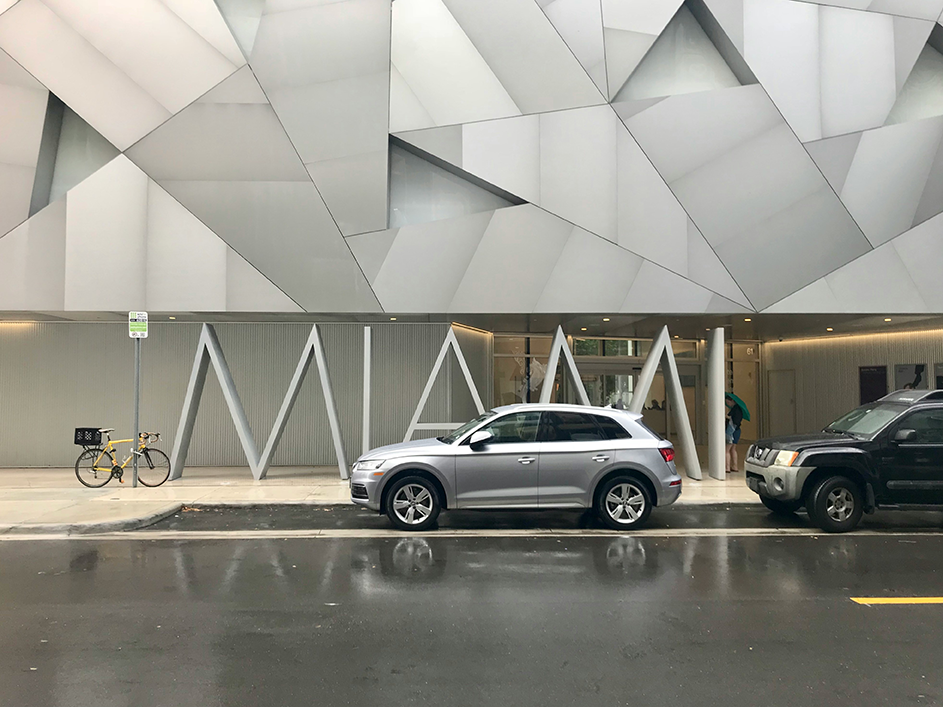
Understanding how cultural exploration develops Spanish communication beyond vocabulary memorization.
The museum district visits included among curated Brickell area outings for Spanish classes in Miami serve multiple learning objectives beyond cultural tourism – practicing formal register Spanish, building subject-specific vocabulary, developing extended listening comprehension, navigating authentic Spanish explanations, and demonstrating Spanish functionality for intellectual engagement rather than merely transactional communication. These cultural practice activities distinguish the Spanish Bootcamp Miami from programs confining Spanish usage to basic survival phrases without demonstrating language’s capacity for sophisticated discussion and cultural participation.
The museum context enables formal Spanish register practice absent from casual restaurant ordering or street navigation. Museum environments require respectful quiet communication, culturally appropriate behavior, and often more sophisticated vocabulary discussing art, history, science, or cultural topics. This formal register practice proves valuable for learners needing workplace Spanish, academic contexts, or professional situations requiring refined expression beyond casual conversation capabilities developed through shopping transactions alone.
The subject-specific vocabulary development through museum visits creates domain knowledge supporting broader Spanish communication. Someone discussing artwork learns aesthetic terminology, color vocabulary, artistic movement concepts, interpretive language – specialized vocabulary transferring to other sophisticated discussion contexts. Historical museum visits develop chronological language, political vocabulary, cultural analysis terms applicable beyond museum walls to news comprehension, documentary understanding, or intellectual conversation participation.
The extended listening comprehension practice during museum visits proves particularly valuable. Rather than brief transactional exchanges completing quickly, museum exploration involves sustained Spanish exposure through exhibition descriptions, audio guides, docent explanations, or peer discussions. This extended comprehension requirement develops stamina for lengthy Spanish consumption essential for meetings, presentations, films, or extended conversations impossible to build through brief purchase transactions alone.
The authentic Spanish explanation navigation during museum visits creates genuine comprehension challenges. Museum labels, exhibition text, audio descriptions operate at native-speaker sophistication rather than simplified learner-appropriate Spanish. This authentic complexity exposure proves essential for real-world Spanish functionality where simplification proves unavailable. Someone successfully comprehending museum Spanish demonstrates capability extending beyond controlled classroom exercises to genuine native-content comprehension.
The intellectual engagement demonstration through museum visits proves motivationally valuable. Language learning sometimes feels disconnected from actual interests – endless vocabulary drills, grammar exercises, survival phrase practice lacking personal relevance. Museum visits demonstrate Spanish enabling engagement with genuinely interesting content matching personal intellectual interests. This motivation through relevant content engagement sustains practice commitment beyond mere functional communication necessity.
The cultural understanding development during museum visits enriches pure linguistic competency. Understanding cultural context, historical background, artistic traditions, social patterns provides conversational depth impossible through pure vocabulary memorization. Someone knowing Spanish words but lacking cultural understanding struggles engaging meaningful Spanish conversations beyond superficial exchanges. The museum exposure builds cultural knowledge supporting substantial communication rather than empty linguistic exercise.
The group discussion opportunities during museum visits create peer Spanish interaction around substantive topics. Rather than practicing only with coaches or attempting basic transactions with strangers, participants discuss museum content with fellow learners – expressing opinions, comparing interpretations, asking questions, debating perspectives. These substantive peer discussions develop Spanish for intellectual exchange rather than merely transactional functionality.
The museum visit integration within broader intensive Spanish in Miami week demonstrates Spanish versatility across contexts. Morning workspace sessions might teach relevant vocabulary, afternoon museum visits apply learning in authentic environments, evening reflections consolidate comprehension – creating learning cycle demonstrating Spanish utility across varied situations rather than isolated domain-specific capability.
The low-pressure authentic practice during museum self-guided exploration enables risk-taking without high-stakes consequences. Someone attempting Spanish audio guide comprehension, reading exhibition labels, or discussing artwork with peers faces minimal embarrassment risk compared to workplace presentations or client meetings. This safe authentic practice builds confidence for higher-stakes future Spanish usage through comfortable experimentation supporting capability development.
Complete practice activities at https://fluenz.com/spanish-bootcamp-miami
Program Details
Bootcamp vs. Luxury Immersion: What’s the Difference?
Miami targets learners pursuing fluency through concentrated effort. Training delivers 22.5 hours of personalized instruction combining one-on-one coaching with dynamic small-group activities across one focused week, designed for rapid measurable advancement.
Fluenz Luxury Immersions operate throughout 17 destinations across Latin America and Spain, pairing rigorous language coaching with curated cultural programming. These programs maintain excellent instruction while progressing at comfortable pacing, incorporating private museum access, archaeological visits, exceptional dining, and boutique stays. Compared to Miami’s concentrated format, Luxury Immersions advance at moderated rhythm.
Key Differences:
Spanish Bootcamp Miami: Precision-guided personalized training through individual and group formats for rapid, measurable fluency gains in intensive U.S.-based program.
Fluenz Luxury Immersions (17 destinations): Elite coaching integrated with cultural immersion experiences across international locations, progressing at relaxed rhythm.
How Does the Miami Bootcamp Work?
Training operates Monday through Friday from modern Brickell district workspaces. The week structures around focused language development designed for accelerated Spanish acquisition.
Pre-arrival Evaluation: Complete a comprehensive assessment beforehand, enabling customized instruction development based on your level and objectives.
Weekly Training: The program delivers 22.5 hours of individualized instruction combining focused one-on-one coaching with dynamic small-group activities, entirely in Spanish.
Curated Practice: Beyond workspace sessions, you participate in curated Miami outings around Brickell – Metromover, museum district, Brickell City Centre, Bayfront – applying new skills within authentic linguistic environments.
Continuous Adaptation: Your plan evolves as coaches monitor progress continuously, adjusting instruction to ensure effective daily progression.
Does Training Happen in a Classroom the Entire Time?
Learning occurs throughout Miami’s varied environments, not solely classrooms. While using modern Brickell workspaces for core instruction, Spanish practice extends citywide via curated outings targeting specific learning objectives. Skills apply in restaurants, streets, businesses, and authentic Spanish contexts, making the city your learning space.
Is it All One-on-One or Are There Group Activities?
Miami blends individualized one-on-one instruction with dynamic small-group work. Multiple expert coaches rotate through your sessions instead of one dedicated tutor, each contributing distinct expertise while you remain central. This provides exposure to varied accents and instructional approaches reflecting genuine Spanish diversity. Small-group components introduce peer interaction dynamics impossible in purely individual coaching, while learning stays coordinated ensuring continuity and progress.
How Much Will I Learn?
Twenty-two and a half hours of personalized coaching across intensive week replace fragmented casual learning with concentrated advancement. Results vary by starting level, dedication, and aptitude, but intensive structure creates breakthrough conditions unavailable conventionally. Dr. Ritchie Hao from Fluenz training: “The immersion provided comprehensive, high value learning in a fun, enjoyable and very engaging way. High value, high yield curriculum!” The methodology produces tangible progress whether beginning fresh or pushing past intermediate plateau.
How Long Does It Take?
The program spans Monday through Friday, totaling 22.5 training hours across five days. This concentrated business-week schedule enables intensive immersion while accommodating standard work calendars – travel Sunday, return Friday evening or Saturday. Consecutive week enrollment enables extended study unavailable with international programs.
Is It Right for Me or Is It Too Intense?
This program targets driven, disciplined adults pursuing meaningful fluency expecting concrete results. If motivated to advance quickly and ready to dedicate full energy to Spanish during training, the program provides appropriate rigor and structure. Not designed for casual learners, but for those seeking transformation over relaxed study, it proves ideal.
You’re a strong candidate if:
Determined to achieve fluency rapidly willing to invest substantial effort. Ready to engage fully – intellectually, emotionally, linguistically. Welcoming intensive programs driving lasting transformation. Prioritizing deep learning over leisure. Tried conventional approaches now seeking results-driven intensive training.
It may not suit you perfectly if:
Wanting light experience requiring minimal commitment. Preferring relaxed pacing or unstructured formats. Uncertain about dedicating a week to intensive Spanish instruction blending individual coaching and group work.
What’s Included in the Program Fee?
The inaugural 2026 season (November, December 2026, January 2027) costs $4,800. The 2027 tuition is $5,275. This includes comprehensive pre-arrival assessment, 22.5 hours of individualized training with rotating expert coaches, all instructional materials, lifetime license to Fluenz Spanish software package, and personalized long-term Spanish program designed around your needs, goals, and strengths.
Not included: Accommodation, airport transfers, or meals. You arrange Miami lodging, dining, and transportation, providing flexibility while enabling local participants attending without hotel expenses. The hosting team provides lodging recommendations and comprehensive area guide.
Do I Work with the Same Instructor or Do Coaches Change?
You interact with a coordinated coaching team rather than one dedicated instructor. Multiple experts rotate through sessions throughout the week, all trained in the methodology. This rotation offers beneficial exposure to diverse accents and teaching styles matching real Spanish variety. Behind scenes, personalized learning remains tightly coordinated, with continuous progress monitoring ensuring seamless continuity despite rotation.
Who Are the Typical Instructors?
Coaches bring professional accomplishments beyond native speaker status. The team comprises former university professors, linguists, global executives, and award-winning writers. Each completes intensive training in the proprietary methodology, specializing in guiding high-performing English-speaking adults toward meaningful Spanish fluency. Their diverse backgrounds provide valuable perspective helping learners navigate challenges while absorbing new linguistic structures.