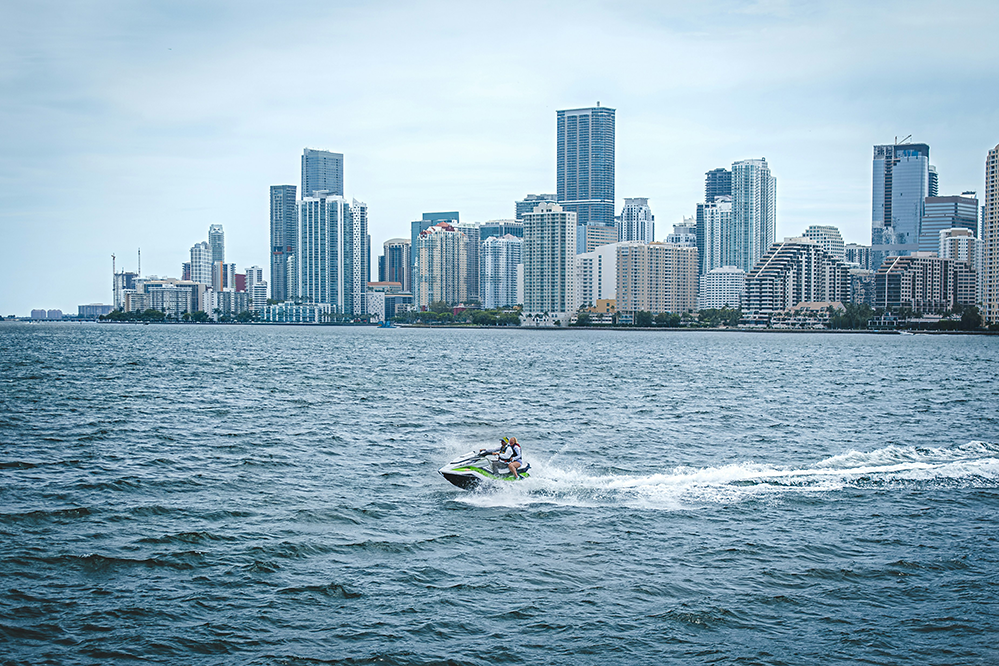
Examining the training facility environment supporting Miami’s intensive Spanish program.
The modern Brickell workspace hosting intensive Spanish in Miami provides professional training environment supporting focused language development through contemporary facilities, strategic district location, and purposeful design enabling both classroom instruction and real-world practice integration. The workspace selection reflects deliberate positioning within Miami’s financial and business center rather than tourist areas or cultural neighborhoods, creating professional atmosphere reinforcing serious study rather than vacation mentality while providing immediate access to Spanish-speaking business contexts and efficient transportation infrastructure.
The “modern” characterization indicates contemporary facility design with updated amenities supporting intensive training requirements. Participants spend several hours daily in workspace environment Monday through Friday, making facility quality material to learning experience and comfort. Modern workspaces typically provide climate-controlled professional environments, updated technology integration, comfortable ergonomic furniture, quality acoustic design supporting clear audio comprehension, appropriate lighting reducing eye strain during extended sessions, and institutional-quality amenities necessary for sustained intensive study across full training week.
The workspace contrasts with charm-focused historic buildings or beach-adjacent casual environments that might provide cultural authenticity or leisure atmosphere but lack professional infrastructure supporting demanding intensive training. Someone wanting to learn Spanish in Miami through intensive format requires functional workspace optimized for learning rather than picturesque location valued for aesthetics. The modern facility prioritization reflects pragmatic focus on training effectiveness over recreational ambiance.
The Brickell district location within Miami’s financial and business center creates professional environment reinforcing intensive study mindset. Brickell’s identity as corporate and banking hub surrounded by international business offices creates ambient professional urgency supporting serious Spanish Bootcamp Miami focus. Participants arriving at Brickell training facility encounter business professionals, corporate signage, and workplace atmosphere psychologically reinforcing intensive academic work rather than vacation leisure. This environmental psychology supports maintaining concentration and effort throughout demanding training week.
The Brickell positioning enables efficient integration between workspace instruction and real-world practice outings. The curated activities around Brickell area – Metromover navigation, museum district visits, Brickell City Centre exploration, Bayfront activities – operate within walking distance or short transit from training facility. This proximity enables seamless transitions between classroom learning and authentic application without extended travel time reducing practice opportunities. Participants can complete morning workspace session, walk to nearby Brickell City Centre for lunch ordering practice, return for afternoon instruction – maximizing Spanish exposure throughout day.
The workspace accessibility via multiple transportation options serves diverse participant needs. Brickell sits at convergence of major highways including I-95, providing driving access from throughout Miami-Dade and neighboring counties. The Metrorail rapid transit system serves Brickell through multiple stations, enabling car-free commuting from Miami International Airport and throughout city. The Metromover automated people mover circulates within downtown and Brickell free of charge, facilitating local transportation. This infrastructure particularly benefits local Miami-area residents who can attend Spanish lessons in Miami while commuting from existing homes rather than arranging temporary accommodation.
The modern workspace likely includes multiple instructional areas supporting both one-on-one coaching sessions and dynamic small-group activities occurring simultaneously throughout training day. Individual coaching requires private or semi-private spaces enabling focused conversation without disturbing other sessions. Small-group activities need larger collaborative areas accommodating multiple participants. The workspace design must balance these competing space requirements while maintaining professional atmosphere and minimizing acoustic interference between concurrent sessions.
The facility probably includes common areas supporting informal Spanish practice and participant interaction during breaks. Casual conversation space enables participants practicing Spanish informally with peers between formal sessions, building community while extending Spanish exposure beyond structured instruction. These informal interactions reinforce intensive immersion philosophy while providing mental breaks from formal training intensity without retreating entirely to English environment.
The workspace presumably provides necessary technology infrastructure supporting modern language instruction. This might include audio equipment for pronunciation practice and listening comprehension exercises, display technology for visual materials and presentations, internet connectivity enabling digital resource access, and recording capability for assessment or feedback purposes. The technology integration supports methodology sophistication impossible in low-tech traditional classroom settings while maintaining focus on human coaching interaction rather than purely technology-mediated instruction.
The professional workspace environment particularly suits learners pursuing Spanish for career advancement or professional contexts. Someone needing Spanish for Latin American business development, international client relationships, or workplace communication benefits from training in professional environment mirroring actual Spanish usage contexts. The Brickell business setting provides relevant atmosphere for professional Spanish practice compared to residential neighborhood or tourist district locations serving different learner priorities.
The workspace selection reflects broader program positioning emphasizing results-oriented professional training rather than leisure-focused cultural tourism. The inaugural season $4,800 tuition (November, December 2026, January 2027) or regular 2027 $5,275 pricing positions program as serious professional development investment rather than vacation-style recreational activity. The modern Brickell workspace reinforces this positioning through professional environment signaling intensive academic focus deserving serious commitment and investment.
Complete facility and location information at https://fluenz.com/spanish-bootcamp-miami
Common Questions
Bootcamp vs. Luxury Immersion: What’s the Difference?
For learners seeking efficient fluency through concentrated work, the Spanish Bootcamp Miami provides intensive training across one focused week. You’ll receive 22.5 hours of personalized instruction blending one-on-one coaching with dynamic group activities, structured for rapid measurable advancement.
Fluenz Luxury Immersions operate in 17 destinations throughout Latin America and Spain, pairing rigorous language training with curated cultural experiences. These programs maintain high-quality instruction while advancing at comfortable pacing, incorporating private museum access, archaeological site visits, exceptional dining, and boutique accommodations. Compared to Miami’s concentrated Bootcamp intensity, Luxury Immersions unfold at a moderated rhythm balancing language development with cultural enrichment.
Key Differences:
Spanish Bootcamp Miami: Precision-guided personalized instruction combining individual and group formats for rapid, measurable fluency advancement in intensive U.S.-based program.
Fluenz Luxury Immersions (17 destinations): Elite coaching integrated with immersive cultural programming across international locations, progressing at relaxed rhythm.
How Does the Bootcamp Work?
Training runs Monday morning through Friday afternoon from modern workspaces in Miami’s Brickell district. The week structures around focused language development designed for accelerated Spanish acquisition.
Pre-arrival Evaluation: Before starting, you complete a comprehensive assessment enabling development of customized instruction based on your level and objectives.
Weekly Training: The program provides 22.5 hours of individualized instruction combining focused one-on-one coaching with dynamic small-group activities, entirely in Spanish.
Curated Practice: Beyond workspace sessions, you’ll participate in curated Miami outings around Brickell – including the Metromover, museum district, Brickell City Centre, and Bayfront – designed to apply new skills within authentic linguistic environments.
Continuous Adaptation: Your plan evolves as coaches monitor progress continuously, adjusting instruction to ensure effective daily progression.
Does Training Happen in a Classroom the Entire Time?
Learning happens throughout Miami’s diverse environments, not just classrooms. While utilizing modern Brickell workspaces for core instruction, Spanish practice extends citywide through curated outings focused on specific learning objectives. You’ll apply skills in restaurants, streets, businesses, and authentic Spanish contexts, transforming the entire city into your learning space.
Is it All One-on-One or Are There Group Activities?
The program blends individualized one-on-one instruction with dynamic small-group work throughout the week. Multiple expert coaches rotate through your sessions rather than assigning one dedicated tutor, each bringing distinct expertise while you remain the central focus. This exposes you to diverse accents and teaching styles reflecting real Spanish variety. Small-group activities add peer interaction dynamics impossible in purely individual coaching, while your learning remains carefully coordinated ensuring continuity and progress.
How Much Will I Learn?
The 22.5 hours of personalized coaching across an intensive week replace slow fragmented learning with concentrated advancement. Outcomes vary based on starting point, dedication, and natural aptitude, but the intensive structure creates breakthrough conditions unavailable through conventional methods. Dr. Ritchie Hao from Fluenz training describes: “The immersion provided comprehensive, high value learning in a fun, enjoyable and very engaging way. High value, high yield curriculum!” The systematic methodology produces tangible progress whether you’re starting from scratch or breaking through intermediate plateau.
How Long Does It Take?
The program operates Monday morning through Friday afternoon, totaling 22.5 training hours across five days. This business-week structure creates intensive immersion fitting standard work schedules – you can travel Sunday and return Friday evening or Saturday. The program offers consecutive week enrollment for extended study impossible with international programs.
Is It Right for Me or Is It Too Intense?
This program serves driven, disciplined adults pursuing meaningful fluency and expecting tangible results. If you’re motivated to advance rapidly and ready to dedicate full energy to Spanish during training, the program provides appropriate structure and rigor. It’s not for casual learners, but for those seeking transformation over relaxed study, it proves ideal.
You’re a strong candidate if:
You’re determined to achieve fluency quickly and willing to invest substantial effort. You’re prepared to engage fully – intellectually, emotionally, linguistically. You welcome demanding programs producing lasting transformation. You value deep learning over leisure. You’ve explored conventional approaches and now want results-driven intensive training.
It may not suit you perfectly if:
You want a light experience with minimal commitment. You prefer relaxed pacing or unstructured formats. You’re uncertain about dedicating a week to intensive Spanish instruction combining individual and group work.
What’s Included in the Program Fee?
The inaugural 2026 season (November, December 2026, January 2027) costs $4,800, while 2027 tuition increases to $5,275. This covers your comprehensive pre-arrival assessment, 22.5 hours of individualized training with expert rotating coaches, all instructional materials, lifetime license to Fluenz Spanish software package, and your personalized long-term Spanish program designed around your needs, goals, and strengths.
Not included: Accommodation, airport transfers, or meals. You arrange your own Miami lodging, dining, and transportation, providing flexibility in choices while enabling local participants to attend without hotel expenses. The hosting team provides lodging recommendations and comprehensive area guide.
Do I Work with the Same Instructor or Do Coaches Change?
You work with a coordinated coaching team rather than one instructor. Multiple experts rotate through your sessions during the week, all trained in the methodology. This rotation provides valuable exposure to diverse accents and instructional styles matching real Spanish variety. Your personalized learning remains tightly coordinated behind the scenes, with continuous progress tracking ensuring seamless continuity despite rotation.
Who Are the Typical Instructors?
Coaches bring professional accomplishments beyond native speaker credentials. The team includes former university professors, linguists, global executives, and award-winning writers. Each completes intensive training in the proprietary methodology, specializing in guiding high-performing English-speaking adults toward meaningful Spanish fluency. Their diverse backgrounds provide valuable insight helping learners navigate challenges while absorbing new linguistic structures.