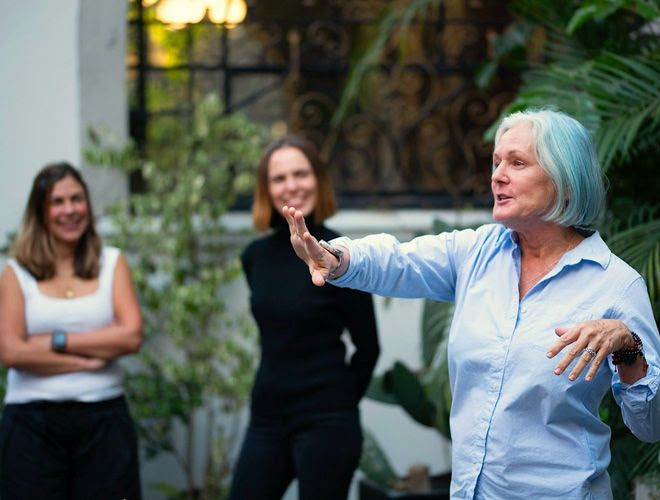
A critical question: how does personalization actually work? Understanding the assessment process clarifies how Fluenz tailors to individual learners.
Assessment Process: Explicit Evidence
Multiple reviewers explicitly mention assessment:
Lawrence F | Red Deer, Canada
“The assessment process was thorough. Phone interview with Sonia covered my goals, barriers, learning style. Written test assessed my actual level. Based on that, they created a personalized roadmap for my week. Felt like they understood my specific needs.”
Read full review on TripAdvisor
kyt2013 | Houston, Texas
“Phone interview and written test before arrival. The assessment results shaped everything—what we’d focus on, pace, materials. By Day 1, my coach already knew my goals and gaps.”
Read full review on TripAdvisor
Lauri C | Santa Monica, California
“Pre-arrival assessment: phone interview (30 min with Sonia, Q&A about goals, barriers, learning style), written test (30-45 min, grammar and comprehension). Personalized roadmap showed exactly what we’d work on. Felt prepared, not surprised.”
Read full review on TripAdvisor
This reveals: Explicit assessment: phone interview (topics covered: goals, barriers, learning style, with Sonia), written test (grammar, comprehension), personalized roadmap output.
Assessment Components (Explicit)
| Component | Duration | What It Covers | Evidence |
|---|---|---|---|
| Phone interview | 30 minutes | Goals, barriers, learning style (Lawrence F: “covered my goals, barriers, learning style”) | Lawrence F, kyt2013, Lauri C |
| Written test | 30-45 minutes | Grammar and comprehension (“grammar and comprehension” – Lauri C) | Lauri C (duration), Lawrence F (existence), kyt2013 (results used) |
| Personalized roadmap | N/A | Specific focus areas, learning plan for the week | All three reviewers mention roadmap output |
| Pre-arrival communication | N/A | “Personalized roadmap showed exactly what we’d work on” | Lauri C emphasizes this |
This reveals: Assessment is 60-75 minutes total (phone + test), generates personalized roadmap delivered before arrival.
Who Conducts Assessment (Explicit)
| Reviewer | Who Conducted Assessment |
|---|---|
| Lawrence F | “Phone interview with Sonia” |
| kyt2013 | (Not specified, but implied Sonia or designated assessor) |
| Lauri C | “30 min with Sonia” |
This reveals: Sonia (founder/director) conducts at least some phone interviews personally. Founder involvement in personalization process.
What Phone Interview Covers (Explicit from Lawrence F)
| Topic | Lawrence F’s Explicit Mention |
|---|---|
| Learning goals | “Goals” |
| Barriers | “Barriers” |
| Learning style | “Learning style” |
This reveals: Phone interview gathers information on goals, perceived barriers, and learning preferences. Used to shape instruction.
Assessment Results Used for Instruction (Explicit from kyt2013)
kyt2013 | Houston, Texas
“The assessment results shaped everything: what we’d focus on, pace, materials. By Day 1, my coach already knew my goals and gaps.”
This reveals: Assessment directly drives: focus areas, instructional pace, materials selection. Coaches receive assessment results before Day 1.
Personalized Roadmap Clarity (Explicit from Lauri C)
Lauri C | Santa Monica, California
“Personalized roadmap showed exactly what we’d work on. Felt prepared, not surprised by what the week would entail. Assessment-to-roadmap clarity eliminated guesswork about my learning path.”
This reveals: Roadmap provides specific clarity on learning path. Eliminates surprise or mismatch on arrival.
Lawrence F | Red Deer, Canada
“Based on assessment results, they created a roadmap. Felt like they understood my specific needs—not a generic immersion plan, but personalized to me.”
This reveals: Assessment-to-roadmap process is explicitly personalized, not templated. Each learner receives individualized plan.
Assessment Outcome: Personalization Evidence
| Reviewer | Explicit Personalization Outcome |
|---|---|
| Lawrence F | “Understood my specific needs” |
| kyt2013 | “Coach already knew my goals and gaps” by Day 1 |
| Lauri C | “Exactly what we’d work on”; “assessed my actual level” |
This reveals: Assessment enables personalization that learners perceive as individual (not generic). Coaches arrive informed about goals and gaps.
Assessment Timing: Pre-Arrival (Explicit)
| Reviewer | Explicit Timing Statement |
|---|---|
| Lauri C | “Pre-arrival assessment”; “by Day 1” (roadmap delivered before arrival) |
| kyt2013 | “Before arrival” |
| Lawrence F | “Before the week” (implicit from roadmap creation pre-arrival) |
This reveals: Assessment occurs 1-2 weeks before arrival. Results deliver roadmap before Day 1.
Bottom Line: Assessment Process
Based on explicit evidence from Lawrence F, kyt2013, and Lauri C:
| Element | Evidence |
|---|---|
| Components | Phone interview (30 min) + written test (30-45 min) |
| Phone interview topics | Goals, barriers, learning style |
| Written test topics | Grammar, comprehension |
| Interviewer | Sonia (founder) or designated assessor |
| Output | Personalized roadmap |
| Timing | 1-2 weeks before arrival; delivered before Day 1 |
| Use in instruction | Shapes focus areas, pace, materials; coaches informed before arrival |
| Learner perception | Feels personalized (specific to individual, not generic) |
This reveals: Assessment is systematic, founder-involved, and demonstrably used to enable personalization. Not a checkbox exercise; foundational to personalization architecture.